English
 français
 Deutsch
 русский
 italiano
 español
 português
 العربية
 日本語
日本語 Polski
 中文
中文
كيف هل يمكننا مساعدتك
أنت يمكنك الاتصال بنا بأي طريقة تناسبك . نحن متوفرة في 24 ساعة / 7 أيام عبر بريد إلكتروني أو هاتف.
اتصل بنا
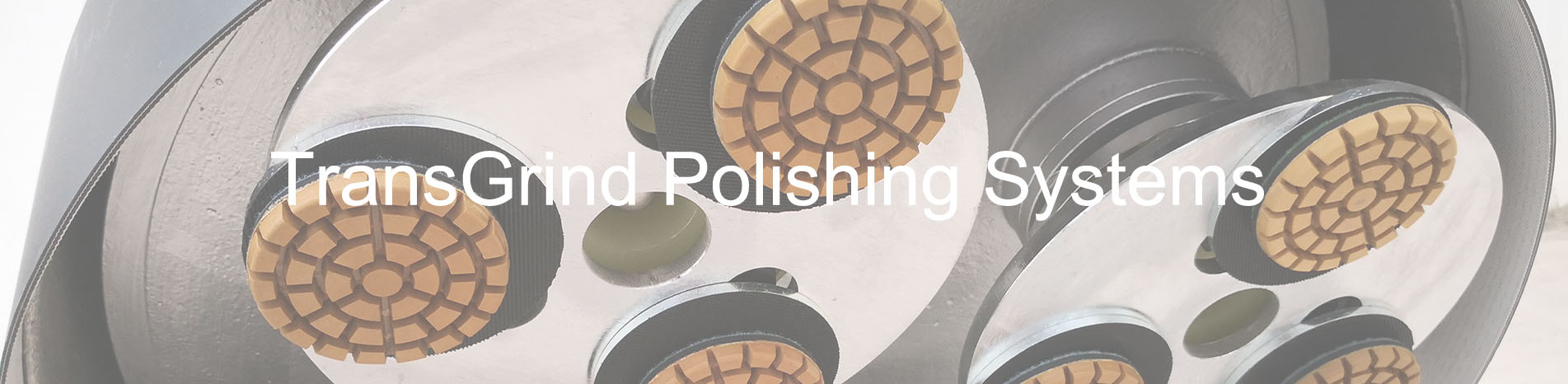
لا يتأثر معدل تآكل وسادة التجليخ بالأداة نفسها فحسب، بل بنوع الأرضية التي يتم العمل عليها أيضاً. فعوامل مثل صلابة الخرسانة، وكثافة السطح، ومدى انكشاف الركام، كلها تؤثر على كيفية تفاعل الأداة مع البلاطة. إن إدراك هذه الاختلافات يمكّن المقاولين من اتخاذ خيارات أفضل وتجنب التآكل المبكر لوسادة التجليخ أثناء عمليات التجليخ والتلميع.
يؤدي استخدام الخرسانة الصلبة عادةً إلى إبطاء تآكل الوسادات، ولكنه قد يقلل من كفاءة القطع. على الأسطح الكثيفة، أدوات الماس للأرضيات قد يبدأ السطح بالتزجيج بدلاً من القطع، خاصةً إذا كانت المادة اللاصقة صلبة للغاية. يُولّد هذا التأثير التلميعي مزيداً من الحرارة ويؤدي إلى أنماط تآكل غير متساوية مع مرور الوقت. وللحفاظ على تعرض مناسب للماس ومعدلات تآكل متوازنة على الأرضيات الصلبة، غالباً ما تكون وسادات الربط الأكثر ليونة ضرورية.
أما الخرسانة الأكثر ليونة فتُسبب مشكلة معاكسة. تميل الوسادات إلى التآكل بشكل أسرع لأن السطح يُوفر مقاومة أقل ويُطلق جزيئات كاشطة تُسرّع من تدهور الترابط. بالنسبة لهذه الأرضيات، أدوات طحن الماس تساعد الروابط الأكثر صلابة على التحكم في التآكل وإطالة عمر الأداة. وبدون اختيار الرابط المناسب، قد يظهر تآكل مفرط للحواف وأنماط خدوش غير منتظمة في وقت مبكر من العملية.
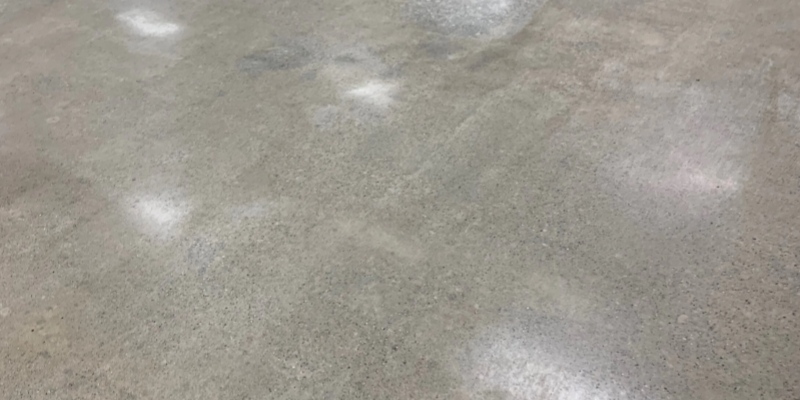
يُعدّ تركيب الأرضية عاملاً مهماً أيضاً. فالأسطح ذات الحصى الكثيف أو المواد المختلطة تُسبّب ضغطاً غير متساوٍ على وسادة الصنفرة، مما يؤدي إلى تلامس غير منتظم وتآكل موضعي، خاصةً خلال مراحل الصنفرة الانتقالية. التصميم الجيد أدوات تلميع الألماس توزيع الضغط بشكل أكثر تساوياً، مما يساعد على استقرار معدلات التآكل عبر ظروف الأرضيات المختلفة.
تتطلب إدارة تآكل وسادات التنظيف بفعالية اختيار الأداة المناسبة لكل نوع من الأرضيات بدلاً من استخدام إعداد واحد في كل مكان. ويمكن للفحوصات الدورية والتعديلات الطفيفة في اختيار مادة الربط أو إعدادات الماكينة أن تمنع توقف العمل المكلف. ترانس جريند يركز تطوير الأدوات على تحقيق سلوك تآكل يمكن التنبؤ به عبر أنواع الأرضيات المختلفة، مما يساعد المقاولين على الحفاظ على الإنتاجية وتقديم نتائج سطحية متسقة من البداية إلى النهاية.

 IPv6 شبكة مدعومة