English
 français
 Deutsch
 русский
 italiano
 español
 português
 العربية
 日本語
日本語 Polski
 中文
中文
كيف هل يمكننا مساعدتك
أنت يمكنك الاتصال بنا بأي طريقة تناسبك . نحن متوفرة في 24 ساعة / 7 أيام عبر بريد إلكتروني أو هاتف.
اتصل بنا

قد تتآكل أدوات القطع الماسية بسرعة لأسباب مختلفة، ولا يعني التآكل السريع بالضرورة رداءة جودة الأداة. في بعض التطبيقات، يُعدّ مستوى معين من التآكل ضروريًا لأن المادة الرابطة تُحرر تدريجيًا الماسات المتآكلة وتُظهر ماسات جديدة للحفاظ على أداء القطع. على سبيل المثال، من المتوقع أن تتآكل المادة الرابطة الأقل صلابة المستخدمة على الخرسانة الصلبة بشكل أسرع للحفاظ على فعالية الماسات الجديدة.
ومع ذلك، إذا تآكلت أداة الماس بشكل أسرع بكثير من المتوقع أو فقدت أدائها بسرعة كبيرة، فقد يكون السبب هو اختيار رابطة غير صحيحة، أو ظروف طحن غير مناسبة، أو أساليب تشغيل غير سليمة.
إن فهم أسباب تآكل أدوات الماس يمكن أن يساعد المقاولين على اختيار الأداة المناسبة وتحسين كفاءة الطحن.
كيف يعمل تآكل أدوات الماس؟
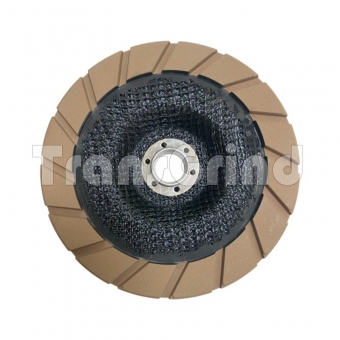
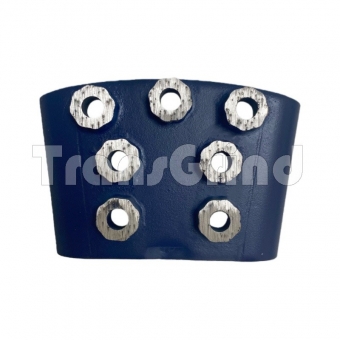
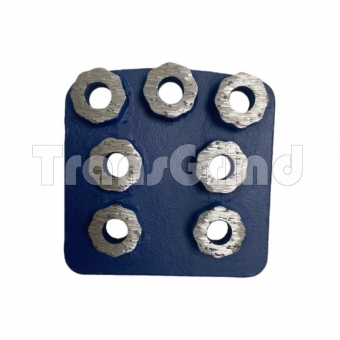
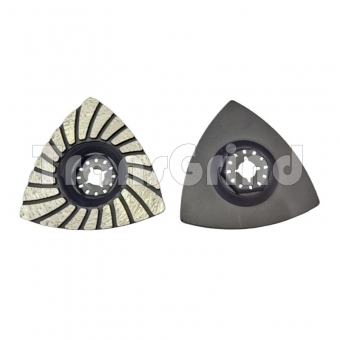
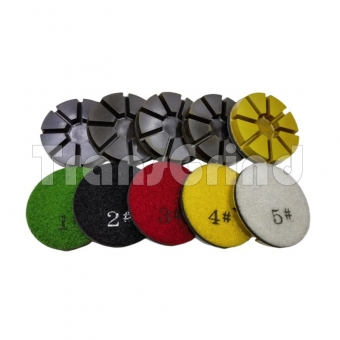
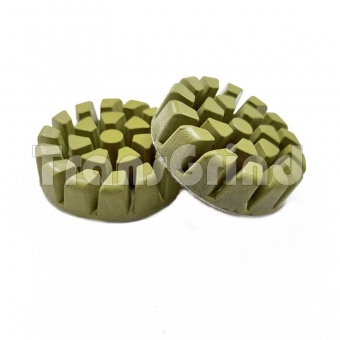
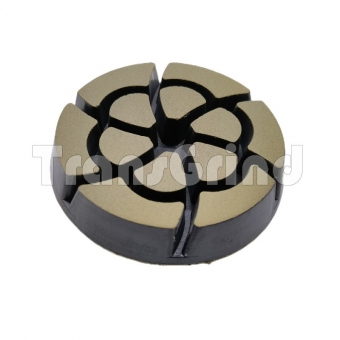
أدوات طحن الماسصُممت هذه الأدوات لتتآكل أثناء التشغيل. تحافظ مادة الربط على جزيئات الماس وتتفكك تدريجياً مع احتكاك الأداة بسطح الخرسانة.
تُعدّ عملية التآكل المُتحكّم بها هذه مهمة لأنها تسمح بظهور جزيئات ألماس جديدة. إذا لم يتآكل الرابط بالمعدل الصحيح، فقد تتعرض الأداة لأحد الأمرين التاليين:
الهدف هو تحقيق معدل تآكل متوازن حيث تستمر الأداة في الطحن بفعالية طوال فترة المشروع.
اختيار الرابطة بشكل خاطئ
يُعد اختيار السندات أحد أهم العوامل المؤثرةأداة الماسيرتدي.
تتطلب ظروف الخرسانة المختلفة صلابة ربط مختلفة.
على سبيل المثال:
عندما لا تتطابق الرابطة مع حالة الخرسانة، قد لا تعمل الأداة بكفاءة.
قد يؤدي استخدام رابطة لينة للغاية بالنسبة للتطبيق إلى تآكل أسرع من المتوقع، بينما قد تتسبب الرابطة الصلبة للغاية في تلميع الأداة وتقليل أداء القطع.
تؤثر الظروف الخرسانية على تآكل الأدوات
تؤثر حالة سطح الخرسانة بشكل كبير على أداء الأداة.
عوامل مثل:
يمكن أن يغير ذلك من سرعة تآكل أداة الماس.
حتى أرضيتان تبدوان متشابهتين قد تتطلبان أدوات ماسية مختلفة لأن ظروف سطحهما ليست متطابقة تمامًا.
قد يؤدي اختيار الأداة بناءً على نوع الآلة أو مظهر المنتج فقط إلى ضعف الأداء إذا لم تكن الأداة مناسبة للأرضية الفعلية.
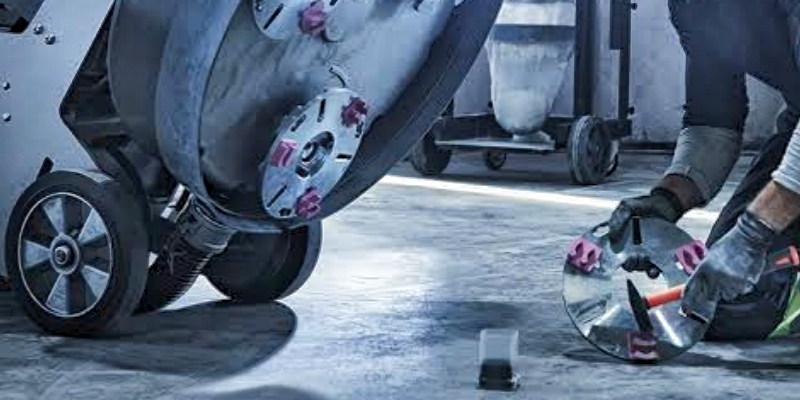
ضغط الطحن والتشغيل
تؤثر ظروف التشغيل أيضاً على تآكل أدوات الماس.
يمكن أن يؤدي الضغط المفرط أثناء الطحن إلى زيادة الإجهاد على الأجزاء، وتوليد حرارة إضافية، وتسريع التآكل.
لكن زيادة الضغط لا تعني بالضرورة سرعة أكبر في عملية الطحن. ففي كثير من الحالات، تسمح الإعدادات الصحيحة للآلة والحركة المنتظمة للماس بالقطع بكفاءة أكبر.
عوامل مثل:
تؤثر جميعها على مدى تآكل الأداة بشكل متساوٍ أثناء المشروع.
اختيار أداة الماس المناسبة
تتآكل أدوات الماس بمعدلات مختلفة تبعاً لنوع المادة الرابطة، وحالة الخرسانة، وعملية التجليخ. يُعدّ قدرٌ معين من التآكل ضرورياً للحفاظ على أداء القطع، ولكن التآكل المفرط يشير عادةً إلى ضرورة تعديل الأداة أو ظروف التشغيل.
اختيار الخيار الصحيحأدوات طحن الماسيساعد على تحقيق توازن أفضل بين كفاءة القطع، وعمر الأداة، ونتائج الطحن الإجمالية.

 IPv6 شبكة مدعومة